Choosing Silk Bedding: A UK Buyer’s Guide to Materials, Care, and Longevity
A practical, editorial exploration of silk bedding options for UK readers, spanning mulberry silk varieties, weave finishes, care regimes, and longevity. Rooted in a careful comparison of respected brands and the lived experience of sleep, this guide aims to illuminate what makes silk bedding feel uniquely luxurious—and how to choose pieces that endure.
I. Silk bedding demystified: materials, weights, and finishes
Silk bedding sits at the intersection of luxury and utility, where the fabric’s natural properties—temperature regulation, low moisture absorption, and a silky, low-friction surface—translate into tangible comfort. The most common reference points for UK shoppers are mulberry silk of high momme counts, and the draw of charmeuse weaves or silk blends that mimic silk’s feel while offering practical care. When you step into a shop or scroll an online catalogue, you’ll keep encountering three key dimensions: the fiber, the weave or shell, and the fill or backing that gives a duvet, sheet, or cover its weight and loft.
Fiber is the backbone. Mulberry silk, produced by silkworms nurtured on mulberry leaves, is the benchmark for premium bedding. The best implementations use long-strand silk, a sign of strength and luster. Then comes momme, a historical unit of measure that roughly mirrors fabric density. A higher momme typically signals a more durable, weightier surface, though the relationship with comfort depends on weave, finish, and the intended season of use.
Finish matters, too. Charmeuse is a satin-like weave that yields a smoother, more luminous surface compared with a plain weave. Duvet covers, pillowcases, and sheets may be offered as 19- or 22-momme silk, with finishes that feel particularly supple against the skin and hair. In some products you’ll see blends—silk floss or silk with cotton shells or silk-cotton combinations—intended to balance feel, care needs, and price. For UK buyers, the distinction often translates into how the fabric behaves in a domestic washing machine and what you can expect in terms of durability over seasons.
For practical orientation, consider the following shorthand: mulberry silk (fiber), momme (weight and feel), shell or weave (the fabric exterior for sheets and duvet covers), and fill (the material inside a comforter). Silk bedding’s true value lies in how these elements harmonize to produce a climate-controlled, low-friction sleep surface that remains comfortable through year-round temperature swings.
II. Brand and product landscape: Sleep and Beyond, Suite Sleep, and the UK context
In the UK market, two names recur in thoughtful discussions of silk bedding, praised for balancing luxury with longevity: Sleep and Beyond and Suite Sleep. Each brand approaches silk with an editorial eye toward transparency about fill, shell materials, and care instructions, helping shoppers gauge value beyond the gloss of a single product page.
The Sleep and Beyond ethos often centers on natural, breathable fills—where wool blends and silk align to offer temperature regulation plus hypoallergenic properties. Their offerings frequently emphasize certifications and production provenance, acknowledging the long arc of a sleep product from fibre to night-time routine. Suite Sleep, meanwhile, foregrounds the practicalities of silk as a year-round companion, highlighting how a silk shell can carry a lighter silk fill for summer warmth or heavier configurations for winter loft, all while maintaining the tactile luxury that silk promises.
From the UK buyer’s perspective, the domain of silk bedding also intersects with local care realities: domestic washing temperatures, line-drying or tumble-drying allowances, and the need for delicate-detergent routines. The ideal silk purchase in the UK, then, balances a fabric’s sensory appeal with a straightforward maintenance plan that fits a busy household, a shared bed, or a student flat where laundering may occur in a communal machine.
When evaluating shells, consider whether the silk is used directly against the skin (as a duvet cover or sheet) or is paired with a cotton or cotton-sateen backing for added drape and wash resilience. In either case, a high-quality silk shell can translate to a cooler, drier sleep surface in hot months and a warmer, moisture-balanced surface when rooms drop in temperature.
III. Care and longevity: keeping silk bedding in peak condition
Silk care is elegantly specific. The fabric’s natural resilience thrives with gentle handling, cool temperatures, and mindful detergents. A common thread among premium silk products is that they perform best when washed on delicate cycles with silk-safe detergents and air-dried. The UK climate adds a nuance: moth-season vigilance, damp storage spaces, and the need to refresh fabrics after travel can all influence how often you refresh silk bedding and how you store it between seasons.
Key care considerations include:
- Temperature: keep washing water cool to preserve the integrity of long-strand silk fibers.
- Detergent: opt for a silk-safe or mild detergent designed to protect fibre structure.
- Drying: air-dry away from direct heat or use a cool setting if you must machine-dry; avoid high heat that can degrade silk over time.
- Storage: store silk bedding in a dry, breathable container to minimize moisture buildup and deter pests.
Longevity hinges on the shell’s durability and the fill’s resilience. A silk shell that resists abrasion and a fill that maintains loft under repeated cycles of use will keep its tactile appeal longer. For the UK buyer, this translates into prioritizing products with clear care guidelines, evidence of quality controls (such as OEKO-TEX or equivalent certifications), and a shell that aligns with your washer and dryer routines.
IV. How to compare: a practical framework for silk bedding investment
To navigate the marketplace with discernment, adopt a simple framework that translates glossy marketing into measurable attributes. Ask three questions: What is the core fiber composition? What is the prep or weave of the shell? How is care articulated by the brand?
1) Fiber and momme: For mulberry silk, look for long-strand silk and a momme rating of 19–22 for most sleeping arrangements. A higher momme count often indicates a more robust fabric, but it must be balanced against comfort preferences; some sleepers may prefer a lighter, cooler feel in summer.
2) Shell and weave: Charmeuse-weave silk offers a smoother face with a soft sheen, while a silk-cotton reverse or blend can improve durability and washability. Your choice should reflect how the fabric feels against your skin and how it handles regular laundering in a UK home.
3) Care guidelines: Brands that publish explicit washing instructions, including maximum temperatures and drying methods, empower you to maintain the fabric’s integrity. Look for OEKO-TEX or similar safety certifications that validate non-toxic processing practices.
A practical buying posture is to start with a high-quality silk duvet cover and fitted sheet in your preferred feel, then consider adding silk-filled or silk-blend comforters for seasonal versatility. If you share a bed with another person who has different warmth preferences, a half-summer/half-all-season silk-filled duvet can be a thoughtful compromise, with the ability to adjust layering as needed.
V. Silken decisions: a day-to-night approach to choosing silk bedding
An informed choice begins with understanding your sleep environment. Do you tend to sleep hot or cold? Is your room climate-controlled, or do you live in a space with significant humidity fluctuations? Silk bedding responds to these variables with its own quiet intelligence—breathing, wicking moisture, and regulating temperature to keep you physically balanced through the night.
For those who travel frequently or have a minimalist approach to laundry, a machine-washable silk duvet cover in a 22 momme charmeuse offers a practical balance: the luxurious face you crave with a care routine that fits a busy life. If you desire a more tactile, brushed feel, a silk-blend shell with a cotton backing might deliver a longer life under frequent wash cycles while preserving the softness that silk promises.
In terms of sheets, a 22 momme silk fitted sheet at a 15-inch pocket depth delivers a secure, draping surface that won't pull or bunch as you move. It provides a frictionless interface with skin and hair, which can translate into a calmer night’s rest and easier morning routines when you rise from bed.
VI. A UK buyer’s mid- to long-term strategy: lifecycle thinking for silk bedding
Lifecycle thinking means considering not just the initial purchase but also the product’s performance across seasons and years. Silk bedding rewards careful selection with a slower wear rate and a longer life when treated with respect. In the UK context, this translates into aligning your purchase with seasonal needs, storage routines, and a realistic laundering plan that respects the delicate fibres.
A concrete path could be: begin with a Silk Fitted Sheet (22 momme) and a Silver Grey Silk Flat Sheet to establish a breathable, temperature-regulating base. Add a Charmeuse Silk Duvet Cover that’s machine-washable on a delicate cycle for easier maintenance. If you want a statement piece that coordinates with your palette, select a Windsor Silk Coverlet in Silver Grey to provide a refined top layer without compromising the bed’s overall lightness. The presence of a single, well-chosen coverlet can set a tone of quiet elegance while ensuring the bed remains easy to make and care for.
VII. Quick-reference glossary for silk bedding terms
- Mulberry silk: the premium source fiber, known for strength and luster.
- Momme: a mass unit that indicates fabric density and weight (higher momme generally means more durable fabric).
- Charmeuse: a satin-like weave producing a smooth, luminous surface.
- Shell: the outer fabric layer of a duvet cover or sheet; can be silk or a silk blend.
- Fill: the material inside a comforter; silk fill is valued for temperature regulation and loft.
- OEKO-TEX Standard 100: a certification that the textile product has been tested for safety and environmental standards.
VIII. Product note: a practical exemplar within Silk bedding lines
For readers seeking a concrete touchstone that aligns with the guide’s themes, the Windsor Silk Coverlet—Silver Grey—offers a representative synthesis of silk’s top-layer luxury and the practical, lighter-weight comforters that can live in a year-round nesting arrangement. The coverlet combines a 100% silk upper with a silk-cotton reverse and a lightweight polyester fill, designed to complement other silk pieces in a coordinated collection. Though a single piece, it demonstrates how silk’s visual and tactile language translates into a curated bed ensemble that remains easy to care for within a typical UK household. This kind of item invites you to experiment with layering—a Silk Fitted Sheet, a Silver Grey Silk Flat Sheet, and a Charmeuse Silk Duvet Cover—so the bed becomes a canvas of texture, temperature, and quiet luxury.
Product note: For readers who draw a direct line from textile craftsmanship to daily use, this Windsor coverlet serves as a gateway to the broader silk family. It is a practical example of how silk can function as a top-layer refinement, pairing seamlessly with deeper bedding pieces that prioritize comfort, durability, and washability.
For further reference, a curated set of Silk products that harmonize with the guide’s approach includes:
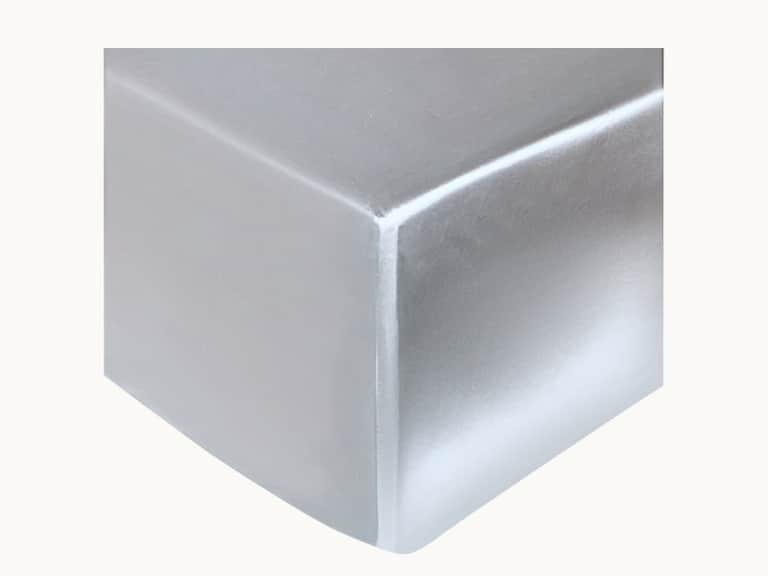
- Silver Grey Silk Fitted Sheet — 22 momme, 15-inch pocket depth. A foundational layer that stays soft and reliable wash after wash.
- Charmeuse Silk Duvet Cover — Machine washable; a practical luxury for the all-season bedroom.
- Windsor Silk Coverlet — Silver Grey — A top-layer piece that anchors the scheme with refined sheen and a gentle contrast to matte textiles.
IX. Final reflections: making silk bedding your durable ally
Silk bedding is not merely an indulgence; when chosen with care and used with discipline, it can shape a sleep experience that remains consistently restorative through the seasons. The UK buyer’s guide presented here invites you to see silk not as a momentary luxury but as a long-term companion—an ally in the pursuit of calm, temperature-balanced nights and skin- and hair-friendly textures. The keys are clarity about material composition, straightforward care guidelines, and a willingness to invest in a cohesive, well-maintained bedding ecosystem that can mature with you over time.
As you navigate bed linens in the months ahead, let silk’s quiet luxury unfold as a daily ritual: a soft touch against the skin, a breath of breathability when the room grows warm, and a loft that ensures warmth without weight as winter arrives. In that balance, silk bedding reveals its most enduring magic: a sense of quiet confidence each night, and a clean, crisp glide each morning as you rise and begin again.
Published date: September 30, 2026. This guide reflects considerations suitable for UK households seeking durable, high-quality silk bedding with practical care guidance.