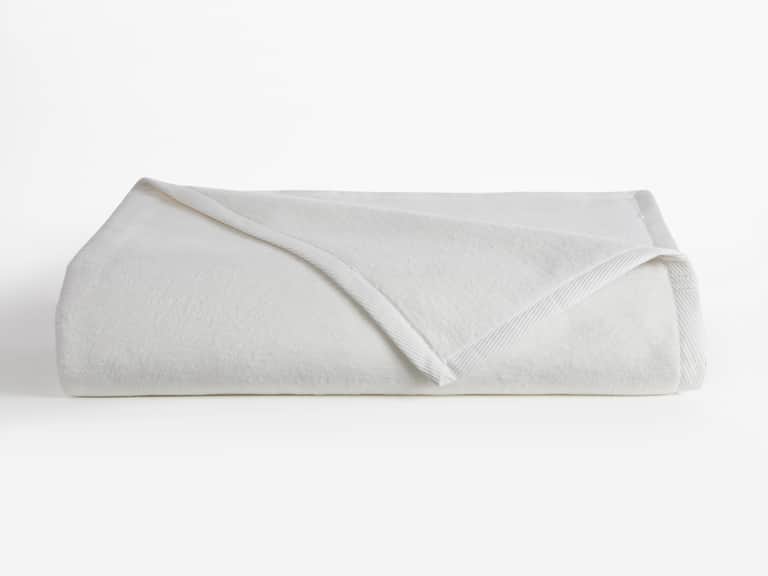
Blankets and quilts form a fundamental layer of comfort in a bedroom, combining warmth, breathability, and tactile softness. Silk, cotton, and blended fabrics influence climate control, ensuring that a sleeping environment remains balanced across seasonal changes. Key features include thread count, weave type, fill material, and edge finishing, each affecting durability and comfort over time.
Within silk bedding categories, silk fiber offers natural temperature regulation, moisture management, and hypoallergenic properties. Sleep textiles like silk blankets and coverlets can help minimize overheat while maintaining a luxurious hand feel. Understanding fabric composition and weave advances helps identify pieces that align with personal preferences for warmth and softness.
The Silk Biscuit Blanket exemplifies a lightweight, breathable option suitable for layering. Its construction emphasizes drape and even warmth, making it adaptable to varied sleep environments. Functional benefits include ease of care, resilience to pilling, and consistent insulation without bulk, contributing to a tranquil sleep space.
The Windsor Silk Coverlet - Silver Grey showcases a refined, smooth surface with a contemporary finish. Its silk content enhances thermal balance and adds a polished aesthetic to bedrooms focused on calm, neutral palettes. This coverlet provides a durable, compact layer that complements sheets, pillows, and other bedding components for coherent styling.
In category contexts like bedding and memory foam pillows, understanding layering strategies matters for sleep quality. Silk-based blankets and coverlets can pair with diverse pillow types and sheets to optimize temperature, moisture control, and comfort. Keywords such as bedding, memory foam pillows, and latex are relevant when discussing comprehensive sleep ecosystems and textile performance.
 Bedding